Blog Images- Eat

Eat

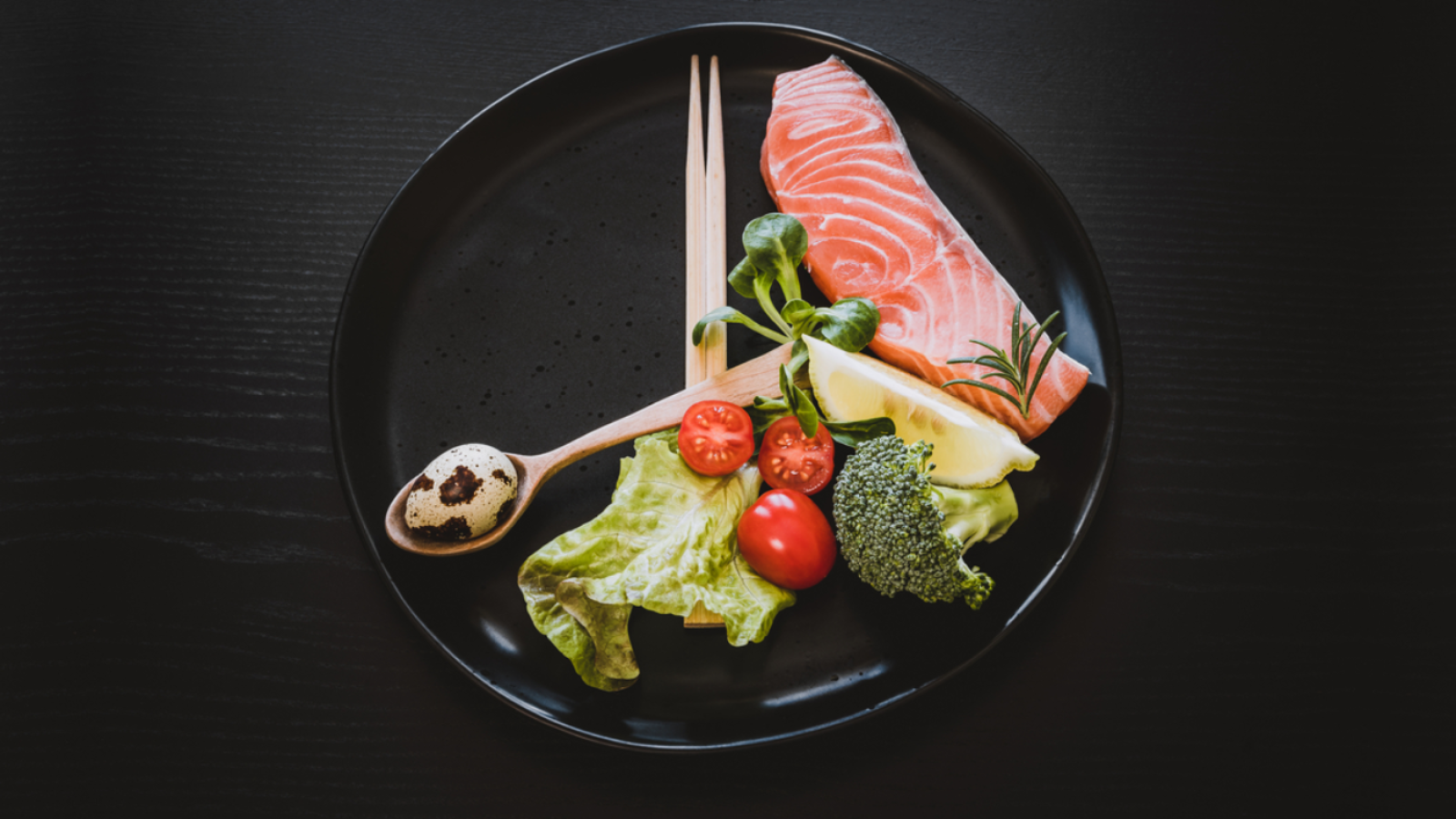
Recently, while I was posting on TikTok, I encountered a phrase that resonated deeply with me: “Eat. Whatever happens in life must find you strong.”; This simple message struck a chord, reminding me of the importance of maintaining our strength, regardless of the circumstances we face.

Eating is a fundamental aspect of human life, encompassing not only the biological necessity of sustaining our bodies but also a rich tapestry of cultural, social, and psychological dimensions. Around the globe, eating habits are shaped by a variety of factors, including geography, climate, religious beliefs, economic standing, and individual preferences. This brief examines the importance of eating, the factors influencing dietary choices, and the impact of modern society on how and what we eat.

At its core, eating is essential for survival. Humans require a balanced intake of nutrients—proteins, carbohydrates, fats, vitamins, and minerals—to maintain bodily functions, support growth, and provide energy for daily activities. The act of eating, however, extends far beyond mere sustenance. Meals are often social events, bringing together families and communities to share not just food but also conversation, traditions, and values. In many cultures, specific foods and eating rituals are integral parts of religious ceremonies, festivals, and milestones, underscoring the role of food in shaping identity and fostering social bonds.

The choices individuals make regarding what and how they eat are influenced by a multitude of factors. Cultural heritage plays a significant role, dictating the types of food consumed, methods of preparation, and acceptable table manners. For example, rice is a staple in many Asian countries, while bread and potatoes may predominate in Western diets. Religion can also influence dietary practices; certain faiths prescribe vegetarianism, restrict the consumption of specific foods, or dictate fasting periods. Socioeconomic status is another key determinant, as access to a variety of foods and the ability to afford healthy options can vary widely across populations. Additionally, personal health considerations, ethical beliefs (such as vegetarianism or veganism), and environmental concerns are increasingly shaping modern dietary patterns.

In recent decades, the globalization of food systems and advancements in technology have transformed the way people eat. Processed and convenience foods have become ubiquitous, offering quick and easy solutions for busy lifestyles but often at the expense of nutritional quality. Fast food restaurants and supermarkets provide a vast array of choices, yet this abundance can contribute to unhealthy eating habits, such as overconsumption of sugar, salt, and unhealthy fats. The rise of food delivery services and digital platforms has further changed the landscape, making it possible to access a wide variety of cuisines without leaving home.


These changes have brought about both opportunities and challenges. On one hand, globalization has broadened palates and introduced people to new flavours and cooking techniques. On the other, it has contributed to the spread of diet-related health issues, such as obesity, diabetes, and cardiovascular diseases, particularly in urban areas where sedentary lifestyles and processed food consumption are prevalent. Public health campaigns and nutritional education programmes are now more important than ever, aiming to encourage balanced diets and mindful eating practices.

In conclusion, eating is a complex and multifaceted activity that goes well beyond the simple act of consuming food. It is deeply intertwined with culture, society, health, and the environment. As our world continues to change, being aware of what we eat and understanding the factors that influence our choices can empower individuals to make informed decisions that benefit both personal well-being and the broader community. By fostering a holistic approach to eating, we can celebrate diversity, promote health, and ensure a sustainable future for generations to come.

 

Seasoning

The Importance of Seasoning in Cooking

Seasonings are essential elements in the art of cooking, yet their significance is often overlooked. They not only bring out the best in our ingredients but also contribute to the unique character and taste of each dish.

The Role of Seasoning

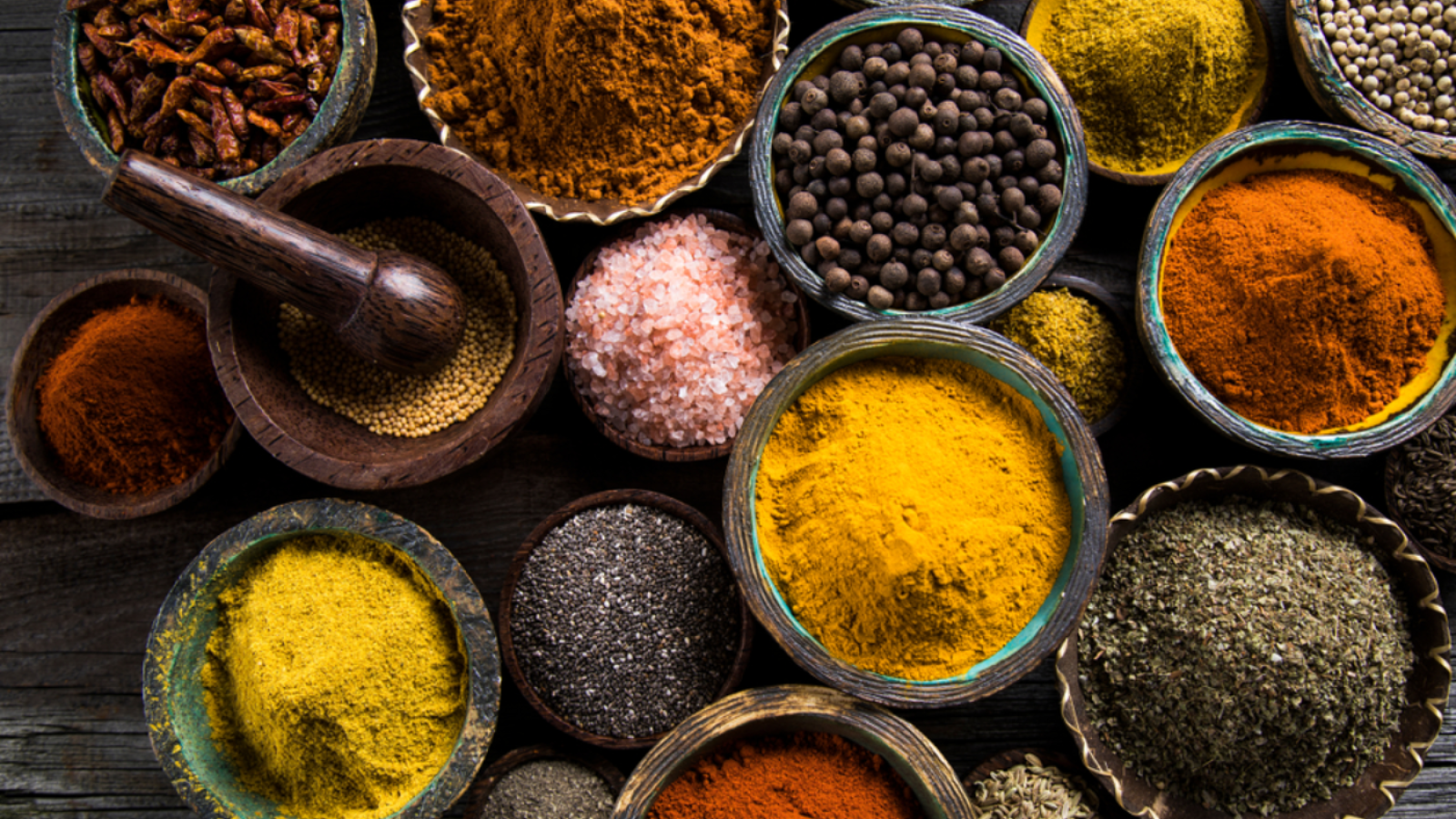
It is easy to forget how vital seasoning is to our culinary creations. By thoughtfully adding salt, pepper, herbs, and spices, we enhance the natural flavours of our food and transform ordinary meals into extraordinary experiences.

Seasoning plays a fundamental role in cooking, transforming simple ingredients into flavourful and memorable dishes. The right balance of salt, pepper, herbs, and spices not only enhances the natural tastes of food but also adds layers of complexity and depth to every meal. Without proper seasoning, even the freshest ingredients can taste bland and uninspiring, underscoring the critical role of seasoning in the culinary arts.

Nutritional Benefits of Herbs

In addition to enhancing taste, using herbs to flavour our food adds considerable nutritional value. Herbs such as basil, parsley, and coriander are packed with vitamins and antioxidants, making them a healthy addition to any meal.

Beyond improving taste, the use of herbs and spices in cooking offers significant nutritional benefits. Many herbs, such as basil, parsley, and coriander, are rich in vitamins and antioxidants that can support overall health. Spices like turmeric, ginger, and garlic have been linked to various health advantages, including anti-inflammatory properties and improved digestion. By incorporating a variety of seasonings into your dishes, you not only delight your palate but also boost the nutritional value of your meals.

Inspiration for Your Grocery List

To help you get started, we have put together a few inspirations for your next grocery shopping trip. Consider exploring new herbs and spices to expand your culinary repertoire and enjoy both the flavour and health benefits they bring to your cooking.

Exploring new seasonings can also inspire creativity in the kitchen. Trying different combinations of herbs and spices allows you to discover new flavours and adapt recipes to your personal taste. When shopping for groceries, consider picking up a new herb or spice and experimenting with it in your next meal. This adventurous approach to seasoning not only keeps cooking exciting but can also introduce you to a world of global cuisines and traditions.


Seasoning is more than just a finishing touch, it’s the secret to turning everyday meals into nourishing, flavourful experiences. By making thoughtful choices with your herbs and spices, you can enhance taste, boost nutritional value, and bring new life to the ingredients already in your kitchen.


Ready to take your cooking to the next level? Start by exploring new seasonings on your next grocery trip and experiment with different flavour combinations at home. And if you’d like more guidance on shopping smarter and cooking with intention, join our KTT Shopper Guide membership for practical tips, wholesome recipes, and expert support on your journey to healthier living.

1

The Issue of High Food Prices is a Significant Concern

If you are living in South Africa and are unaware of the significant increase in food prices, consider yourself truly fortunate. The reality is tough for many of us as we find ourselves unwitting participants in a real-life TV drama due to our limited income and resources. It’s not just inflated food prices but also skyrocketing living costs like petrol, electricity and public transport fare. The challenge intensifies when even essential food items are affected. Even if one opts for a more economical choice, options are limited.

However, amidst these difficulties lie opportunities to embrace change, including a shift in our dietary habits and more. Let’s consider transitioning from considering material possessions as luxuries to prioritizing wellness and nutrition as the new standard of luxury. This period can also be used to strengthen family bonds.

As we are compelled to carefully consider our spending, it’s time for a fresh perspective. Given that the kitchen is the heart of any home, let’s start there.

At Kitchen Tricks & Tips, we are excited to share some valuable advice to help you navigate these challenging times.

  • One way to manage your finances is by establishing a family grocery budget. Setting a budget will prevent overspending when shopping for household groceries. Instead of creating a monthly budget, which can be daunting, consider setting a weekly budget that aligns with your work commute to save on travel expenses.
  • Identify the dietary needs of yourself and your family. Use this opportunity to introduce a new concept to your family meals: Eating with Intention. What are your family’s food goals? Do you eat simply out of habit, for nourishment, to promote healing, or strive for overall health? Some people don’t need to eat breakfast out of convenience yet follow the crowd. Encourage your family to eat with intention, aligning each meal with a specific purpose. This approach cultivates a sense of purpose behind each family member’s food choices, fostering unity and discipline, even when away from home or shopping. It can also serve as a valuable lesson on the significance of food in our lives.
  • Divide Kitchen Duties. Kitchen duties don’t have to fall solely on one person. You can create a rotation schedule, allowing everyone a chance to participate and share their own cooking tricks & tips. For families, this is an excellent bonding opportunity that doesn’t require spending money by dining out. Growing up, my parents would hold cooking challenges between themselves, Team Mom and Team Dad. The team that prepared the most delicious dish was declared the winner, while the other team would clean the dishes. This experience motivated us to explore new recipes to impress one another. It’s also important to acknowledge that family structures have evolved, with some families consisting of two mothers or two fathers. Let’s embrace and celebrate diversity as a modern family.
  • Work Out a Family Menu. Once you have identified your family’s dietary needs, it’s time to plan a menu. The first step in putting together a menu is understanding your family’s food preferences. This exercise will greatly simplify decisions regarding what to cook, what to buy, and the ideal time for everyone to gather and eat together. When everything is considered, it’s time to start cooking.
  • Engage in Non-Financial Activities. One common source of stress is using the same approach and behaviour in all aspects of our lives, despite facing different challenges and life changes. Just as parenting strategies evolve as children grow, we should adapt our strategies in other areas too. Therefore, consider incorporating non-financial activities to enjoy with family and friends. Engaging in such activities can help reduce stress and lessen financial burdens. For instance, instead of constantly driving, why not explore your neighbourhood by taking a leisurely walk with your loved ones.
Blog Image

It’s About Time

When it comes to dining and nourishment, the timing plays a crucial role. The timing of meals and sleep schedule, among other factors, collectively impact our well-being. As human beings, we are inherently connected to nature and thus influenced by the natural rhythms of day and night. However, many individuals tend to overlook the significance of timing, nutrition, and dining habits in their daily routine.

Most people tend to follow the status quo when it comes to eating, often without mindfulness about the underlying factors. Eating solely for the sake of consumption is a common practice, neglecting the importance of nutrition and overall wellness.

For those leading a sedentary lifestyle, it is advisable to moderate the consumption of high-energy foods and opt for options that promote alertness and focus. Prioritize foods that enhance your mental state rather than focusing solely on endurance. Similarly, individuals engaged in physically demanding activities or frequent movement should tailor their diet to meet their specific energy requirements.

Taking in more food than your body requires can lead to discomfort and the inevitable consequence of suffering. Given that approximately 90% of our happiness hormones originate in the gut, it is essential to be mindful of what we consume. Growing up, my mother consistently emphasized the principle of “you reap what you sow.” This concept applies to our dietary choices as well; poor eating habits can result in poor health. If you aim to feel good about yourself, it is crucial to pay attention to the quality and quantity of what you eat.

It’s noteworthy that our bodies enter a state of rest akin to the sunsetting at the end of the day. As darkness falls, our bodies naturally slowdown, preparing us for rest and eventually sleep. Therefore, indulging in a large meal late at night may not be ideal, considering that your body is winding down towards rest. Reflect on how you’ll feel after consuming such a meal. When you find yourself pondering food choices, take a moment to assess the time and observe nature’s cues outside your window. Let Mother Nature guide you towards healthier eating habits.

3

The Joy of Cooking

Asking yourself, “Hey Chef Nthabeleng, why bother with pots and pans or cooking at all? What’s the fuss about it anyway? Enough already!” Who even cares about cooking when there’s plenty of food on-the-go, right? Well, let me enlighten you. When done right, cooking becomes the ultimate selfless way to express love. It is a cherished and delightful ritual.

For a long time, cooking has been taken for granted by many, perhaps because it’s a skill that most people believe they possess. While it’s true that almost anyone can cook, the real question is, can they truly master it? Historically, cooking was primarily seen as a woman’s responsibility, and a woman who excelled at it was respected within her community. However, this respect was often lacking until men began to pursue cooking professionally, which is a topic for another discussion.

In today’s society, some women distance themselves from cooking, fearing it might detract from their other achievements, particularly those in more modernized settings. It’s essential to note that there is no intention to criticize any group here; we are merely acknowledging reality. In certain communities, cooking is not given the recognition it deserves, despite the immense power embedded in this practice.

What makes cooking sacred is the profound power of influence it possesses. Cooking transcends mere labour at the stove; it is a responsibility that, when executed thoughtfully, can profoundly impact lives and shape future generations. The act of cooking embodies the noble art of healing. It allows us to share in people’s pivotal life events, be present in their times of sorrow, and be a constant presence in their daily routines—a true privilege. Reflect on this: how many professions wield such significant influence over individuals?

Whether you practice your culinary skills in a commercial kitchen or the heart of your home, the next time you hesitate to cook, shift your perspective. Embrace the notion of cooking as a joyful act of serving others—a profound way to express love and foster unity among people. Through cooking, you have the unique opportunity to form connections with strangers who may never meet you but will forever share a bond through your creations. For those fortunate enough to cook daily, it truly is a remarkable blessing.

Now that you have the power, what will you do with it? If you have been finding it challenging to change your eating habits, let the pleasure of cooking inspire you to begin preparing wholesome, delicious, clean, and mouth-watering natural foods. This will enable you to initiate a legacy of well-being in your family, friends, and loved ones. Cooking not only allows for creativity but also grants you control and brings happiness.